Garage doors are essential components of modern homes, providing security, convenience, and aesthetic appeal. However, like any mechanical system, they can occasionally malfunction. Recognizing the signs of potential issues early can save homeowners from costly repairs and ensure the longevity of their garage door systems.
One common sign of a malfunctioning garage door is unusual noise during operation. Grinding or screeching sounds often indicate problems with the door’s tracks or rollers. These noises may result from debris accumulation or lack of lubrication on moving parts. Regular maintenance, such as cleaning the tracks and applying lubricant to the rollers and hinges, can often resolve these noise issues.
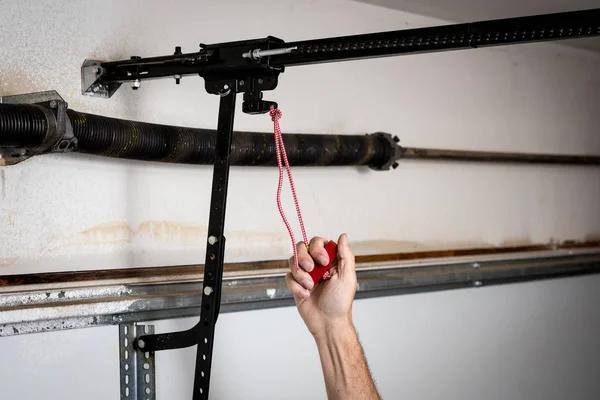
Another indicator is if the garage door does not open or close smoothly. This could be due to misaligned tracks or worn-out springs. Tracks that have shifted out of alignment may cause the door to bind at certain points during its movement. In contrast, worn-out springs might not provide adequate tension click for more information smooth operation. Inspecting these components regularly and ensuring they are in proper working order can prevent operational hiccups.
If a garage door reverses before hitting the ground when closing, it may signal an issue with its safety sensors. Modern garage doors are equipped with photo-eye sensors that detect obstructions in their path to prevent accidents. Dirt on these sensors or misalignment can cause them to malfunction, leading to unexpected reversals. Cleaning the sensor lenses and ensuring they face each other correctly usually resolves this problem.
A slow response time between pressing the remote control button and actual movement is another symptom worth noting. This delay could stem from issues within the opener mechanism itself or interference from nearby electronic devices affecting signal transmission between remote controls and receivers.
The root causes behind these malfunctions vary but frequently involve wear-and-tear over time due primarily either lackadaisical upkeep practices neglectful attention towards minor details until larger problems arise unexpectedly requiring immediate intervention – something easily avoidable through routine inspections proactive measures addressing smaller concerns promptly preventing escalation into major headaches down line thus safeguarding both functionality aesthetics long term investment made initially upon installation day itself!
When faced with persistent malfunctions despite troubleshooting efforts outlined above best course action involves consulting professional technicians who possess requisite expertise diagnosing repairing complex systems efficiently effectively minimizing downtime inconvenience associated breakdowns altogether while simultaneously extending lifespan overall reliability factor significantly contributing peace mind knowing everything running smoothly once again without worry future disruptions looming horizon unnecessarily complicating daily lives already filled enough challenges demands competing priorities vying attention constantly reminding us importance maintaining balance harmony amidst chaos surrounding environment always present yet manageable given right tools techniques applied judiciously wisely!