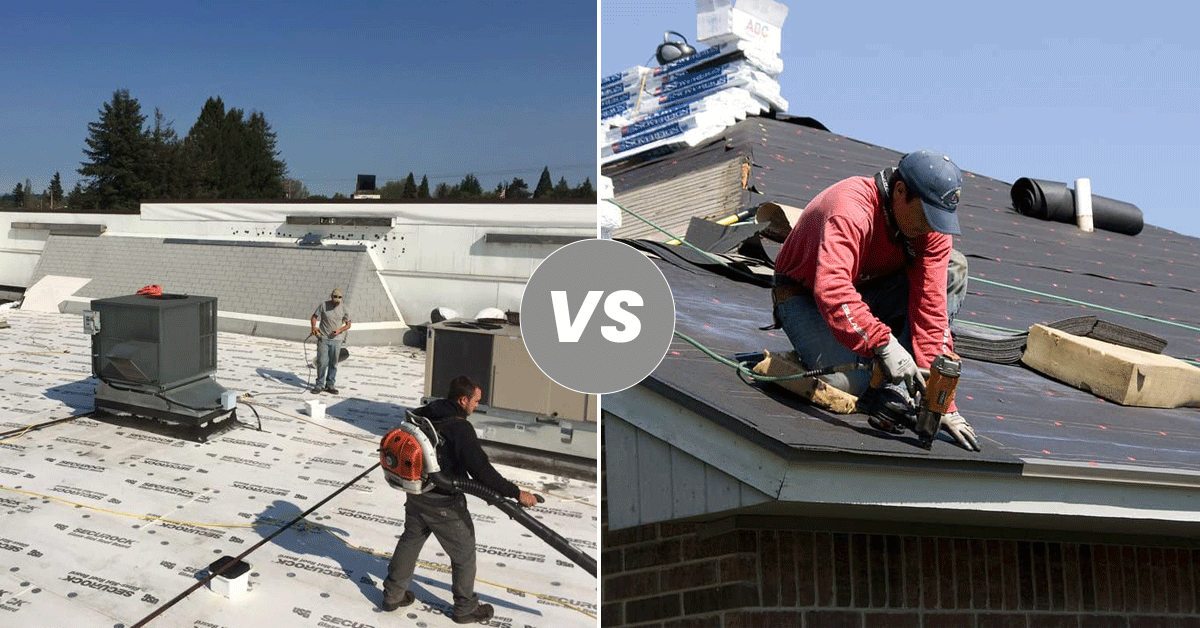
Durability in residential roofing construction is a critical aspect that significantly impacts the longevity and performance of a home’s protective covering. Several factors contribute to the overall durability of a roof, ranging from material selection to installation techniques and environmental considerations. Understanding these elements helps homeowners make informed decisions when choosing or maintaining their roofing systems.
The choice of roofing materials plays a pivotal role in determining how well a roof withstands weather conditions, wear, and aging. Common materials such as asphalt shingles, metal panels, clay tiles, slate, and wood each offer distinct advantages and challenges regarding durability. Asphalt shingles are popular due to their affordability and ease of installation but typically have shorter lifespans compared to metal or tile roofs. Metal roofs provide excellent resistance against wind, fire, and impact damage while requiring minimal maintenance. Clay tiles are known for their robustness in hot climates but can be brittle under heavy impact or freezing temperatures.
Proper installation is equally important in enhancing roof durability. Even high-quality materials can fail prematurely if not installed correctly by experienced professionals who follow manufacturer guidelines and local building codes. Attention to detail during installation ensures proper alignment, secure fastening, adequate ventilation, and effective waterproofing measures such visit our site as flashing around chimneys or skylights. Poor workmanship often leads to leaks or structural issues that compromise the roof’s integrity over time.
Environmental factors also influence roofing durability significantly. Regions prone to extreme weather events like hurricanes, hailstorms, heavy snowfall, or intense sun exposure require specialized materials designed to endure those specific conditions without deteriorating quickly. For example, UV radiation can cause some roofing components to degrade faster unless they incorporate protective coatings or additives that resist fading and cracking.
Maintenance practices contribute substantially toward extending the lifespan of residential roofs as well. Regular inspections help identify early signs of damage such as loose shingles, rust spots on metal roofs, clogged gutters causing water buildup at edges or moss growth on shaded areas which traps moisture against surfaces leading to decay.
Additionally crucial is ensuring proper attic ventilation since trapped heat accelerates material degradation through thermal expansion cycles affecting shingle adhesion particularly on warmer days.
In conclusion, achieving durable residential roofing involves careful consideration of material properties suited for local climate conditions combined with skilled installation procedures followed by consistent upkeep efforts by homeowners or contractors alike; this integrated approach maximizes protection against natural elements while preserving structural soundness for many years beyond initial construction milestones.