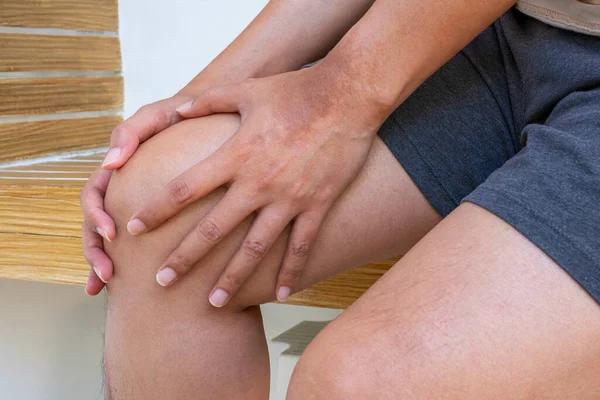
Knee swelling and stiffness can significantly impact daily activities, making it essential to address these symptoms promptly and effectively. Understanding the causes of knee discomfort is the first step in managing and reducing swelling and stiffness. Common causes include injury, overuse, arthritis, or inflammation due to infection or underlying medical conditions. Regardless of the cause, several strategies can help alleviate these symptoms and improve knee function.
Rest is crucial when dealing with a swollen or stiff knee. Avoiding activities that put excessive strain on the joint allows inflammation to subside and prevents further damage. It is important not to immobilize the knee completely but rather to balance rest with gentle movement as tolerated. Applying ice packs to the affected area for 15-20 minutes every few hours during the initial stages helps reduce swelling by constricting blood vessels and numbing pain receptors. Using a compression bandage can provide additional support while limiting fluid buildup around the joint.
Elevating the leg above heart level encourages fluid drainage away from the knee, which also aids in diminishing swelling. This position should be maintained whenever possible throughout recovery periods, especially after activity or injury. Over-the-counter anti-inflammatory medications such as ibuprofen may offer relief by decreasing both pain Steven J Thornton, MD and inflammation; however, consulting a healthcare provider before starting any medication regimen is advisable.
Engaging in low-impact exercises designed to increase flexibility and strengthen muscles surrounding the knee enhances joint stability and reduces stiffness over time. Activities like swimming or cycling are beneficial because they minimize stress on joints while promoting circulation. Stretching exercises focusing on quadriceps, hamstrings, calves, and hip flexors improve range of motion without causing further irritation.
Physical therapy often plays a pivotal role in managing persistent knee issues by providing tailored exercise plans alongside manual techniques that restore mobility safely under professional guidance. Maintaining a healthy weight also lessens pressure on knees during movement since excess body weight contributes significantly to joint wear-and-tear.
In cases where swelling persists despite conservative measures or if accompanied by severe pain, redness, warmth around the joint, fever, or inability to bear weight on the leg immediately seek medical evaluation as these signs may indicate infection or more serious pathology requiring prompt intervention.
By combining rest with appropriate self-care methods such as icing, compression use, elevation combined with gradual strengthening exercises along with professional advice when necessary individuals can effectively reduce knee swelling and stiffness while promoting long-term joint health for improved quality of life.
Steven J Thornton, MD
7115 Greenville Ave ste 310, Dallas, TX 75231
214-265-3271